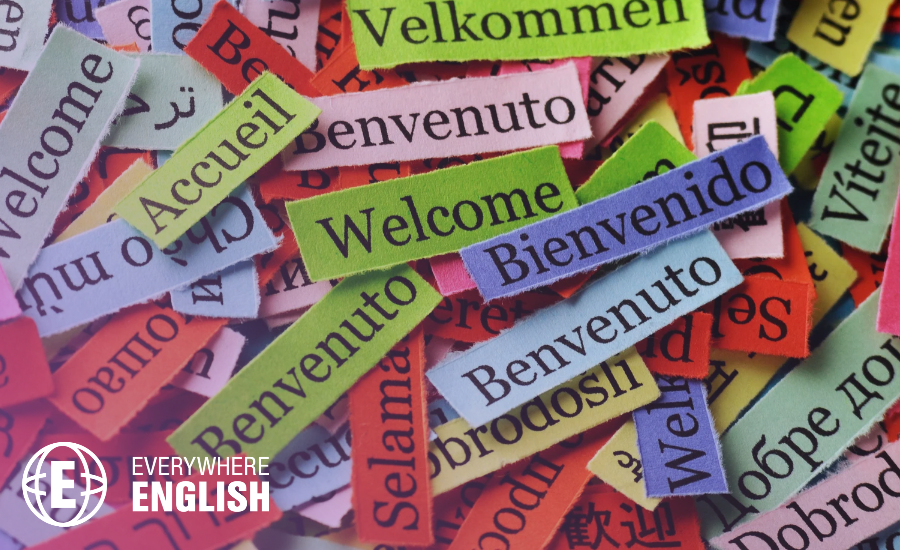

| Cultural awareness in language learning helps learners understand not just what people say, but how and why they communicate in different contexts. This article explores why developing cultural awareness should be an essential part of any language learning programme and how it can strengthen communication, teamwork, and language skills within diverse organisations. |
What is Cultural Awareness Training?
Cultural awareness training helps your team understand and respect different customs, traditions, and communication methods. This type of awareness is vital when it comes to building teams. Naturally, your team will work harder and more collaboratively when everyone understands each other. This is even more important when you through multiple cultures into the mix. You need to create a culture that oozes with understanding and respect in the workplace.
Training should involve a 360 approach, meaning you must look at the initiative holistically. It should be incorporated into your current training sessions. Whether it’s onboarding a new employee or continuous professional development, you should have it as part of every training.
This is why we also incorporate cultural awareness training into our curriculums as part of English language training. Why? Well, for non-English speakers or multicultural teams, language isn’t just about learning words – it’s about how people interact, express emotions, and connect with one another. Without cultural knowledge, your team might miss important nuances or even misunderstand key phrases!
Why Cultural Awareness Matters in Language Learning
Learning a language is more than vocabulary and grammar. To truly communicate, you need to grasp how native speakers think, behave, and express themselves. So, why does cultural awareness matter so much? Here are our top reasons why:
1. Avoiding Misunderstandings
As we know, every culture has its own way of showing politeness, agreement, or even disagreement. As a newcomer to the country, if you don’t know these unwritten rules, you might unintentionally offend someone or take offence yourself!
Remember that your multicultural team might not mean to offend, but it’ll just come out that way to their colleagues. This can lead to serious breakdown in intracompany relationships.
2. Making Sense of Idioms and Slang
Have you ever heard a phrase that makes no sense when translated word-for-word? That’s because idioms and slang are deeply tied to culture. Knowing the background helps you use them naturally. And, knowing the culture will actually help you to perhaps guess what one means, even if you haven’t heard it before.
Making sure that your team has this skill will make lunchtime a lot nicer for teams. Idioms and cultural nuances are the heart and soul of humour, so you’ll see your team getting on a lot more if they have a few inside jokes!
3. Creating Stronger Connections through Cultural Awareness Training
When you show cultural awareness, you build genuine relationships. People appreciate it when you understand their customs, and it makes conversations much more enjoyable!
We now know that collaboration is the key to the success of any business. As a business owner, team lead, or manager, it is your job to ensure these connections are present among your teams.
A bonus is that any training program that has cultural awareness in mind naturally does this for you. A fun and effective learning environment, if done professionally, naturally creates bonds and forms relationships.
How Cultural Awareness Training Improves Your Language Skills
Cultural awareness training shouldn’t only be treated as an extra to help your team with collaboration and relationships, but we should also look at other benefits, like language skills! It can give your team the tools to navigate real-life conversations confidently, even without being fluent in English. It helps you with:
Nonverbal Communication – Body language, facial expressions, and gestures aren’t the same everywhere! Knowing these differences can save you from awkward situations.
Social Etiquette – Every language comes with its own set of manners. How should you greet someone? When is it appropriate to interrupt? These little things make a big difference!
Pronunciation and Tone – The way words are spoken often reflects cultural influences. Learning the correct intonation makes your speech sound more natural.
Simple Ways to Boost Your Team’s Cultural Awareness
Want to improve your cultural understanding of others or your team’s awareness while their learning a language? Try these ideas:
Chat with Native Speakers – Nothing beats real conversations! Speaking with native speakers gives you insight into their way of thinking and communicating. Try peer-to-peer initiatives or inquire about group lessons here.
Watch Films and Read Books – Movies, TV shows, and books expose you to local humour, traditions, and social norms. Recommend some local stories to your team, so that they can get the exaggerated feel of local culture. For example, Topboy for London or The Young Offenders for Cork, Ireland.
Immerse Yourself in the Culture – If you have the chance, visit a country where the language is spoken within the team! If not, online communities and virtual events are great alternatives.
Join Cultural Awareness Training – These programmes help learners develop practical communication skills and a better understanding of cultural differences in the workplace. Cultural awareness should be integrated into language training programmes, as it provides valuable context for real-world communication. Dedicated cultural awareness workshops can also support ongoing learning and help teams build stronger working relationships.
Final Thoughts on Cultural Awareness Training
Cultural awareness training isn’t just a bonus – it’s a crucial part of learning a language! When your team understands the culture behind the words, your team communicates more effectively, avoids awkward moments, and makes deeper connections. So, why not get them to start today? A little cultural knowledge goes a long way!
Interested in improving communication across your multicultural workforce? Contact us today to discuss how our language and cultural awareness training can support your team.