A Short Note from Everywhere English
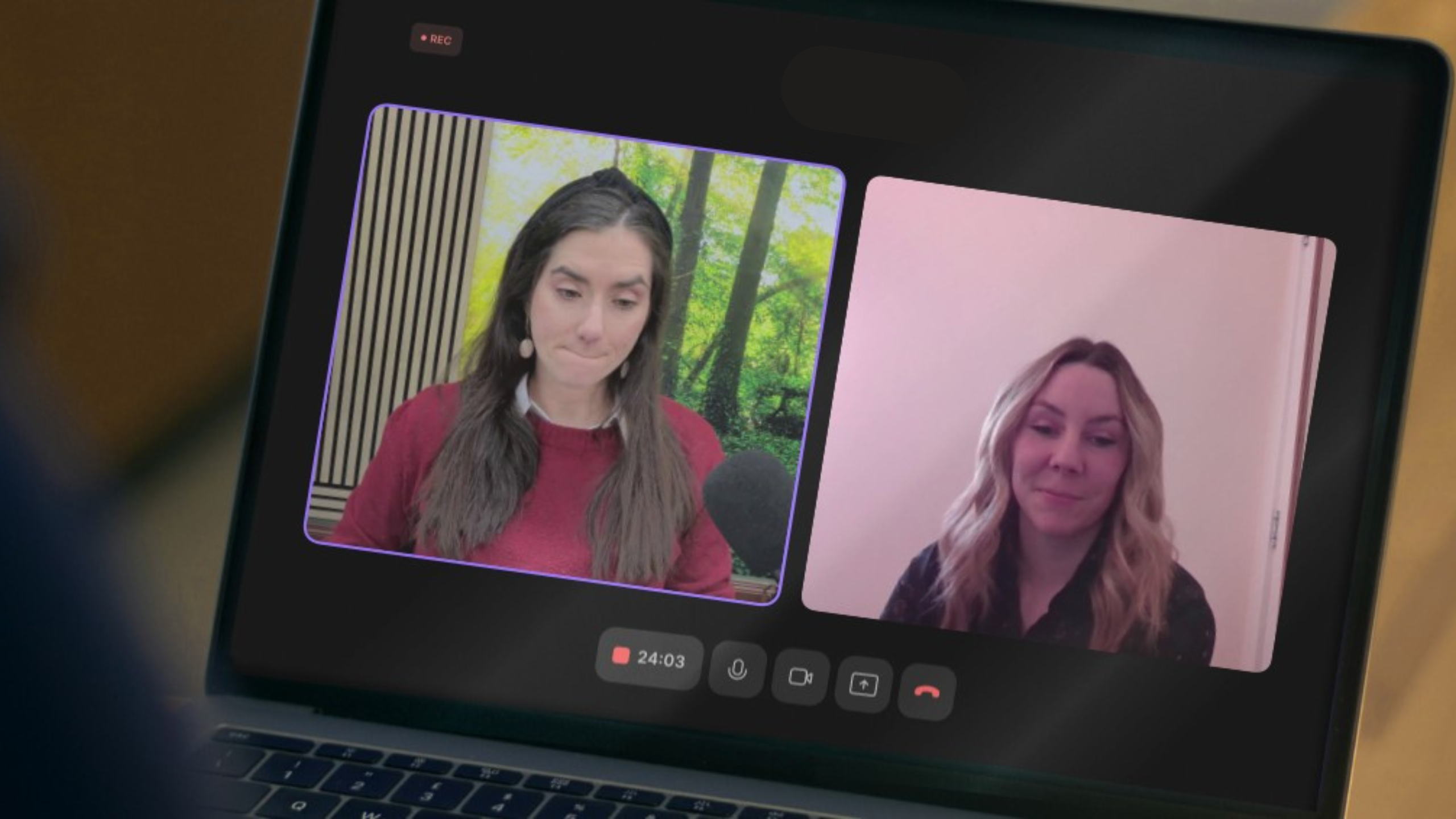
| Welcome to our interview series, where we explore communication, culture, leadership, and collaboration in international workplaces. In this episode of The Workforce Playbook, we speak with Ellen Masterson, a Learning and Development Manager with over 10 years of experience across manufacturing and food manufacturing environments. The conversation explores communication challenges in multilingual workplaces, the importance of cultural intelligence, and why clear systems matter just as much as strong leadership. Watch the full episode below, or continue reading for a written synopsis of the discussion. |
Manufacturing environments are fast-moving, high-pressure, and heavily process-driven. Teams are expected to work efficiently, safely, and consistently, often across multiple departments, shifts, languages, and cultural backgrounds.
But according to Ellen Masterson, many workplace communication problems are not caused by people lacking ability.
They are caused by systems that were never designed with diverse teams in mind.
As international teams continue to grow across manufacturing, logistics, operations, and production environments, companies are realising that strong communication is directly connected to safety, performance, employee confidence, and retention.
And often, the biggest improvements come from surprisingly simple changes.
The Manufacturing Workplace Has Changed
One of the strongest themes throughout the conversation was how dramatically workplace communication has evolved over the last 10 years.
When Ellen first started working in training and development, communication support for multilingual employees was extremely limited.
“We weren’t allowed to use translators or different forms of media at all.”
At the time, many companies operated with the assumption that employees simply needed a certain level of English proficiency in order to succeed. Today, that mindset is beginning to shift.
Modern manufacturing teams are increasingly multicultural and multilingual. Employees may come from different educational systems, communication cultures, and professional backgrounds. Some workers may have had negative experiences with formal education in the past, making them less confident speaking up in training situations.
As Ellen explained during the conversation, communication is all about understanding.
And understanding can be improved in many different ways:
- clearer explanations,
- visual instructions,
- simplified language,
- translated support,
- buddy systems,
- and psychologically safe learning environments.
This shift has become particularly important in food manufacturing, where clear communication directly affects safety, compliance, productivity, and teamwork.
Why SOPs and Processes Need to Be More Accessible
One of the most practical examples discussed in the episode involved something many companies overlook: Standard Operating Procedures.
Ellen described a situation where an outdated SOP created confusion across teams because the process instructions were unclear.
The documentation:
- lacked visual support,
- missed important steps,
- and allowed too much room for interpretation.
As a result, employees followed the process differently, which led to mistakes, duplicated work, and unnecessary frustration.
Importantly, the issue was not employee competence. The issue was communication design. Once the company introduced: clearer explanations, photos, and more context around why tasks mattered, understanding improved significantly. Ellen compared it to assembling flat-pack furniture:
“It’s all photos. You can give that to anyone and they could understand it.”
Visual communication reduces ambiguity. It supports multilingual teams. It improves consistency. And in operational environments, consistency matters.
This part of the conversation highlighted an important point for HR, L&D, and operational leaders: many workplace communication problems can be solved by simplifying systems rather than expecting individuals to constantly adapt.
Psychological Safety in Training Matters
Another major topic discussed during the episode was psychological safety.
For Ellen, creating a safe learning environment is not a “nice extra.” It is absolutely essential. She explained that in many workplaces, training rooms unintentionally become associated with pressure, criticism, or disciplinary conversations. Over time, this affects employee confidence and participation.
Instead, she believes training environments should feel separate from those experiences.
Employees should feel comfortable:
- asking questions,
- admitting confusion,
- making mistakes,
- and contributing ideas.
This becomes even more important in multicultural workplaces.
As Ellen explained, in some cultures employees are simply not used to questioning managers, trainers, or authority figures openly.
That means silence does not always indicate understanding. Sometimes, it indicates discomfort.Building confidence in these environments takes time. Employees do not suddenly become comfortable speaking up overnight.
According to Ellen, companies need to create multiple ways for people to contribute, not only verbally.Some examples discussed in the episode included:
- anonymous question boxes,
- translated feedback,
- smaller onboarding groups,
- buddy systems,
- and pairing new starters with colleagues who speak their language.
These are relatively small adjustments, but they can dramatically improve employee confidence and engagement.
The Importance of Staying Curious
Throughout the conversation, one word kept appearing repeatedly: curiosity.
It’s easy for companies to make assumptions in multicultural environments. Managers may assume:
- someone understood instructions,
- someone is disengaged,
- someone lacks confidence,
- or someone is underperforming.
But those assumptions are often shaped by our own communication habits and cultural expectations.
Ellen argued that one of the most valuable skills for leaders today is the ability to remain curious instead of reactive.
Curiosity creates better communication because it encourages leaders to ask:
- Did I explain this clearly?
- Is this process accessible?
- Could this information be simplified?
- What perspective am I missing?
In diverse workplaces, that mindset becomes increasingly important.
As global teams continue to grow, businesses need leaders who are adaptable, observant, and willing to learn from employees with different experiences and backgrounds.
Cultural Intelligence Will Become Essential for Leaders
When asked what skills HR and people leaders will need over the next five years, Ellen’s answer was immediate: cultural intelligence.
Manufacturing, logistics, and operational environments are becoming more international every year. New employees, supervisors, and future leaders will increasingly come from different cultural and linguistic backgrounds.
For companies, this creates enormous opportunities, but also communication challenges.
Leaders need to understand: how different cultures approach feedback, how communication styles vary, how trust is built, and how employees interpret instructions differently.
Interestingly, Ellen did not frame cultural intelligence as something that only comes from formal training. Instead, she highlighted something much simpler: spending time with people.
She explained that much of what she has learned came from being physically present on the shop floor, speaking to employees, observing team dynamics, and building relationships. That level of direct communication gives leaders a much clearer understanding of what employees actually experience day to day. And in many ways, that is where effective communication strategies begin.
Stop Treating Language Gaps as Capability Gaps
Perhaps the strongest message from the episode was this: Lack of understanding does not mean lack of ability.
Too often, businesses assume that communication breakdowns are caused by employees not “fitting” the system. Ellen argues the opposite: the system itself should be designed to work for more people.
That means:
* simplifying communication,
* reducing jargon,
* checking understanding,
* using visuals,
* and making processes accessible from the beginning.
In other words, companies should stop asking: “How do we make people fit the system?”
And start asking: “How do we make the system work for people?”
Final Takeaway
For leaders working in HR, Learning & Development, operations, or manufacturing, this episode offers a useful reminder:
Clarity is fundamental and often, the most impactful improvements are the simplest ones:
* clearer instructions,
* visual SOPs,
* safer training spaces,
* curiosity instead of assumptions,
* and listening before reacting.
As Ellen said toward the end of the conversation: “You don’t need to have all the answers at once. You just need to stay curious.”