A Short Note from Everywhere English
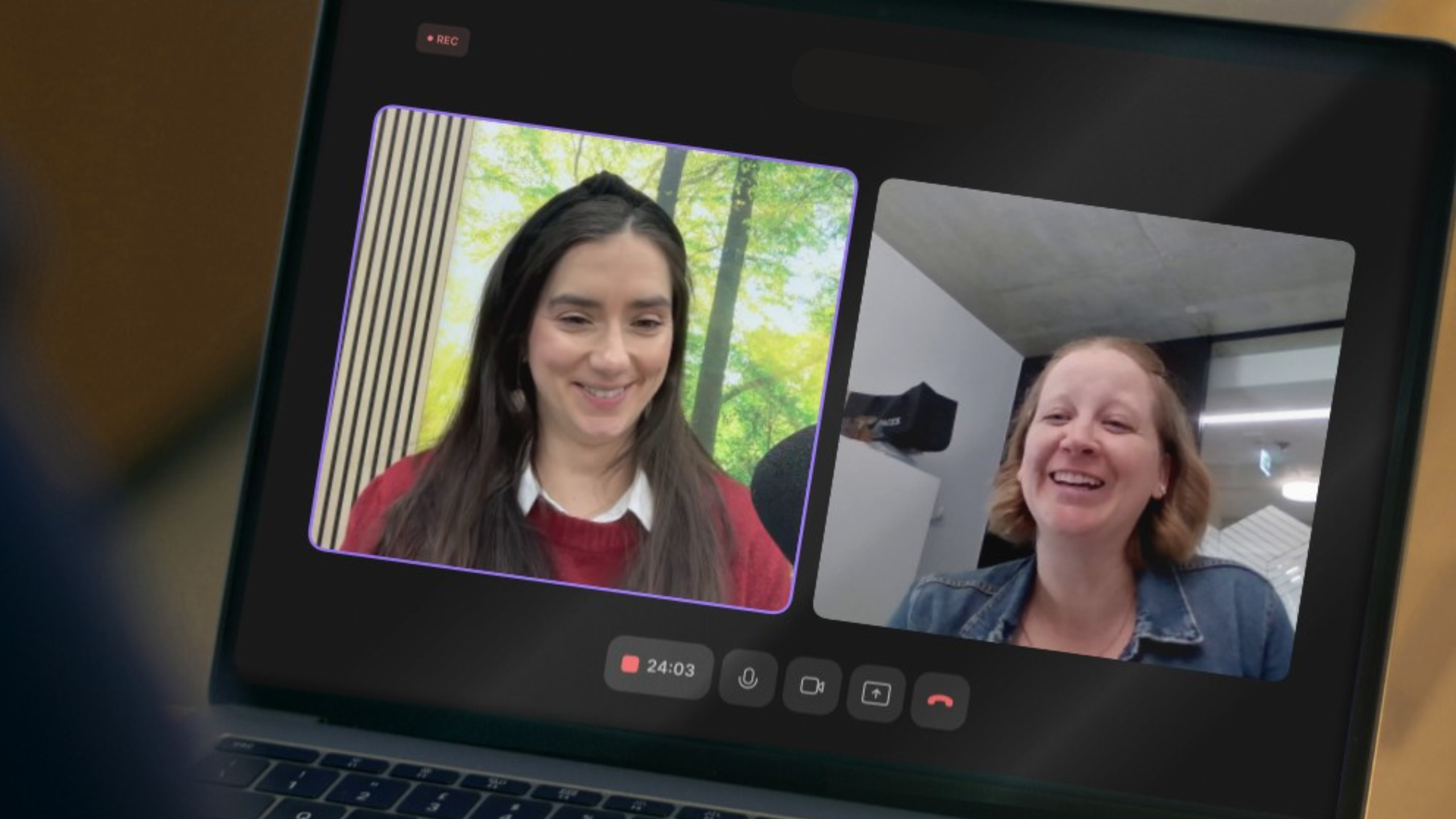
| Welcome to our interview series, where we explore communication, culture, leadership, and collaboration in international workplaces. In this episode of The Workforce Playbook, we speak with Nadja Luke, an HR professional whose experience spans Ireland, Australia, and Germany, currently working within the cybersecurity and IT industry at Palo Alto Networks. The conversation explores multilingual communication, remote work culture, global teams, and the growing importance of cultural nuance in modern workplaces. Watch the full episode below, or continue reading for a written synopsis of the discussion. |
Remote Work Has Changed the Way Global Teams Communicate
According to Nadja, workplaces today feel far more global than they did even a few years ago. Employees are increasingly living in one country while working for companies based somewhere else entirely. Teams are built across different languages, backgrounds, and communication styles.
That flexibility has opened doors for both businesses and employees:
- companies can access wider talent pools,
- employees have more freedom,
- and international collaboration has become part of everyday working life.
At the same time, remote work has reduced the amount of informal learning that naturally happens when people work together physically.
In office environments, employees learn constantly through observation and interaction:
- listening to conversations,
- picking up communication habits,
- hearing different accents,
- watching how colleagues handle meetings,
- and adapting naturally to team dynamics.
Remote work changes that experience. As Nadja explained during the episode:
“We’re missing a little bit the practice just because we’re not doing it naturally.”
Training sessions and online workshops can help explain communication strategies in theory, but much of workplace communication is still learned through day-to-day interaction with other people.
The Workplace Has Become More International
According to Nadja, workplaces today feel far more global than they did even a few years ago.
Employees are increasingly living in one country while working for companies based somewhere else entirely. Teams are built across different languages, backgrounds, and communication styles.
That flexibility has opened doors for both businesses and employees:
- companies can access wider talent pools,
- employees have more freedom,
- and international collaboration has become part of everyday working life.
At the same time, remote work has reduced the amount of informal learning that naturally happens when people work together physically.
In office environments, employees learn constantly through observation and interaction:
- listening to conversations,
- picking up communication habits,
- hearing different accents,
- watching how colleagues handle meetings,
- and adapting naturally to team dynamics.
Remote work changes that experience.
As Nadja explained during the episode:
“We’re missing a little bit the practice just because we’re not doing it naturally.”
Training sessions and online workshops can help explain communication strategies in theory, but much of workplace communication is still learned through day-to-day interaction with other people.
Why In-Person Interaction Still Matters
Although hybrid work offers flexibility, Nadja highlighted the importance of creating opportunities for teams to spend time together in person.
Even simple initiatives can have a strong impact.
Her office, for example, encourages monthly in-person gatherings where colleagues come together for lunch or informal catchups.
These moments help employees:
- build relationships,
- communicate more naturally,
- and feel more connected to the people they work with.
The conversation also touched on an important point for multilingual teams specifically.
When employees work remotely from home, they often spend most of the day thinking and communicating in their native language unless they are actively in meetings. In physical office environments, however, employees are constantly exposed to the company language through casual conversation, shared discussions, and spontaneous interaction.
That daily exposure helps language development happen more naturally.
Communication Challenges in Remote Teams
Another major theme of the episode was how remote communication can sometimes make misunderstandings more likely. Virtual meetings remove many of the non-verbal cues people rely on during face-to-face conversations:
- body language,
- eye contact,
- tone shifts,
- and physical positioning.
In difficult conversations especially, this creates additional pressure.
Nadja explained that many communication training programs recommend reducing confrontation by adjusting seating positions or paying attention to body language, but in remote meetings, those tools largely disappear. On Zoom calls, everyone is simply facing a screen.
Accents can also become more difficult to understand virtually, even among native English speakers.
Nadja shared an example of struggling to fully understand a Scottish colleague during online conversations and needing follow-up emails afterwards to confirm details.
It was a reminder that communication barriers are not always connected to fluency. Technology itself can create friction in communication.
English as the Main Business Language
The conversation also explored the difference between speaking a language and truly communicating effectively in international workplaces.
At Nadja’s company, English is the main business language, even in offices where most employees also speak German. This creates a shared communication system across regions, but it also means employees are constantly navigating:
- different accents,
- communication styles,
- workplace expectations,
- and cultural habits.
One of the strongest points from the episode was Nadja’s distinction between translators and interpreters.
“There’s a reason why there is a translator and an interpreter because those are two very different things.”
Direct translation may communicate words correctly, but effective workplace communication also depends on:
- context,
- tone,
- implied meaning,
- and understanding what is happening beyond the literal words themselves.
That becomes particularly important in multinational teams where employees may interpret communication differently depending on their background or previous workplace experience.
Helping Employees Speak Up in Meetings
The episode also looked at how leaders can create more inclusive communication in remote meetings.
Not everyone feels comfortable contributing verbally, especially when working in a second language. Some employees may need more time to process information before responding. Others may communicate more confidently through writing than speaking.
Nadja explained that managers need to understand how different employees communicate best rather than expecting everyone to participate in the same way. Some practical strategies discussed included:
- allowing employees to contribute through chat,
- gathering feedback before meetings,
- creating safer meeting environments,
- and checking understanding carefully rather than assuming agreement.
The conversation also touched on the importance of asking employees to explain information back in their own words rather than simply asking: “Does everyone understand?”
In multilingual environments, this helps leaders identify misunderstandings early and prevents employees from silently disengaging when communication feels unclear.
Communication Is Becoming More Complex
As the discussion moved toward the future of work, Nadja highlighted how workplace communication itself is becoming more layered.
Leaders are now navigating:
- inclusive language,
- cultural differences,
- communication preferences,
- remote collaboration,
- and rapidly changing technology.
For employees working in a second language, this can feel overwhelming at times. Nadja stressed that one of the most important leadership skills today is the ability to simplify complex ideas and communicate them clearly. People need communication that feels:
- understandable,
- practical,
- and human.
The episode also explored the role of AI in workplace communication. While AI tools can assist with writing emails or translating text, Nadja pointed out that they still cannot fully understand:
- emotion,
- workplace dynamics,
- cultural context,
- or the meaning behind certain conversations.
And in many professional situations, those subtle details are often the most important part of communication.
Final Thoughts
One of the strongest takeaways from this episode was that remote work has changed more than just where people work.
It has changed:
- how teams build relationships,
- how employees learn from each other,
- how communication problems appear,
- and how leaders need to support international teams.
At the same time, the conversation highlighted that companies are still adapting. There is no perfect formula yet for managing communication across global remote teams. But the organisations making the most progress are often the ones focusing on simple but important areas:
- clearer communication,
- stronger human connection,
- active listening,
- and creating space for employees to contribute in different ways.
As workplaces continue becoming more international and distributed, these skills will only become more important.