A Short Note from Everywhere English
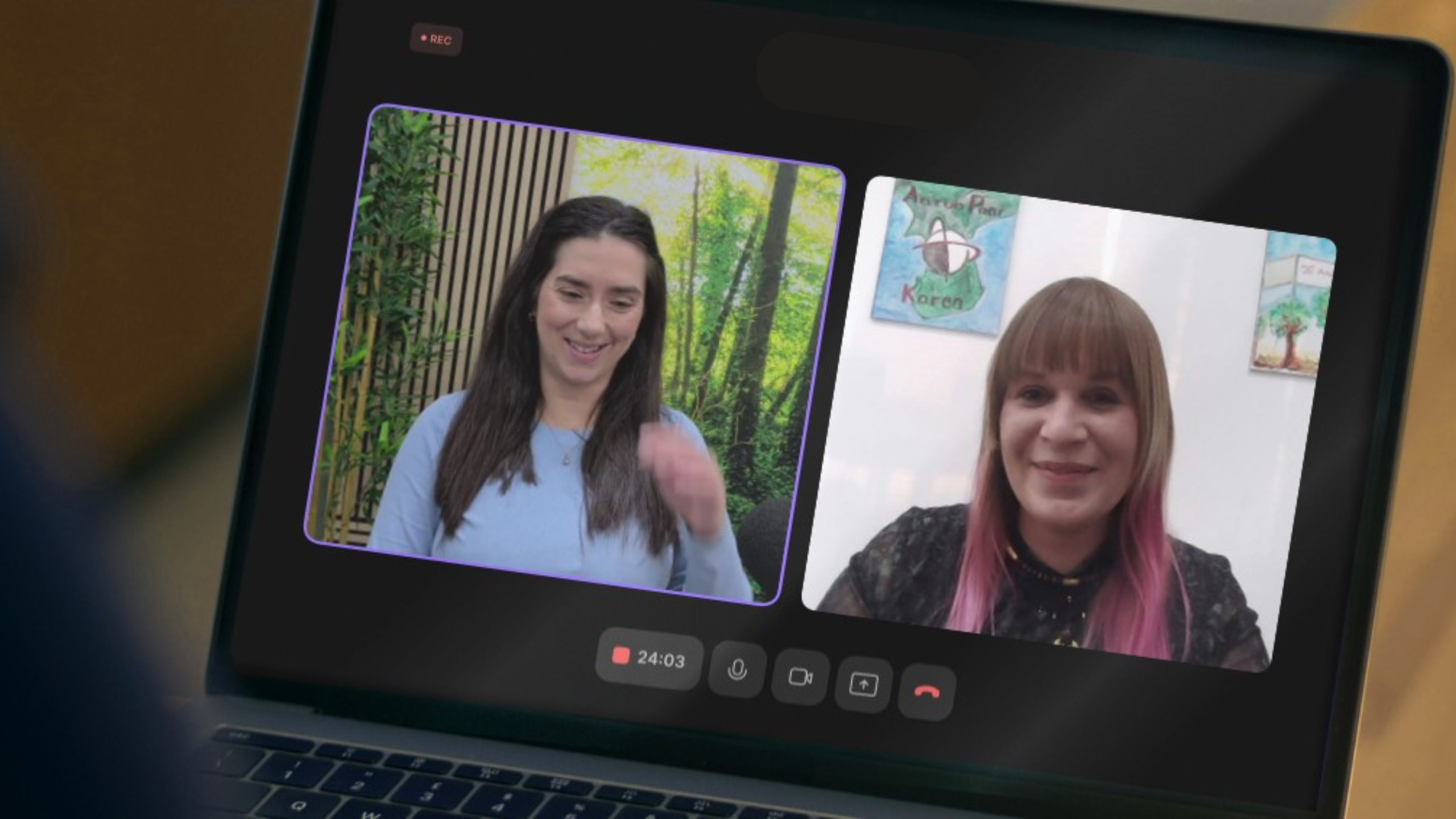
| Welcome to our interview series, where we explore communication, culture, leadership, and collaboration in international workplaces. In this episode of The Workforce Playbook, we speak with Ingrid Lamperstorfer from Anton Paar, a global company specialising in high-precision measurement instruments used across industries including food production, research, and manufacturing. The conversation explores communication challenges in multilingual workplaces, the realities of leading cross-cultural teams, and why strong communication systems matter more than ever in modern international business. Watch the full episode below, or continue reading for a written synopsis of the discussion. |
Building Team Spirit in an International Workplace
Based in South Korea for the past five years, Ingrid leads the sales and service subsidiary of Anton Paar Korea, overseeing a team of approximately 60 employees.
At the centre of her leadership philosophy is one simple idea: team spirit.
For Ingrid, a successful day is one where departments collaborate effectively, solve customer problems together, and communicate proactively across teams.
In an environment where sales, service, and laboratory teams all work closely together, collaboration becomes essential. Cross-functional communication directly impacts customer experience, operational efficiency, and business growth.
This reflects a growing trend across international companies: technical expertise alone is no longer enough. Organisations increasingly depend on employees who can communicate clearly across departments, cultures, and languages.
The Reality of Communication in Multilingual Teams
One of the strongest themes throughout the conversation was the complexity of communication in global workplaces.
Although Anton Paar Korea is largely made up of Korean employees, English remains the company’s operating language. This creates a unique dynamic where everyone communicates in a second language while simultaneously navigating cultural expectations.
As Ingrid explains, even when language seems clear on the surface, interpretation can vary dramatically depending on cultural background.
Direct vs Indirect Communication Styles
Coming from an Austrian and German-speaking background, Ingrid describes herself as naturally direct in communication. In contrast, Korean workplace culture often relies on more indirect phrasing and stronger social hierarchy.
This difference became immediately clear during one early workplace misunderstanding.
A colleague once asked Ingrid whether they could “ask” another employee for help on a task. Ingrid interpreted this literally: the employee could ask, and the other person could accept or decline.
However, within the Korean context, Ingrid’s approval was interpreted as permission to instruct the other employee to complete the task.
The situation highlighted an important lesson for international managers:
“Translation alone is not enough. Meaning depends on cultural interpretation.”
This is one of the biggest challenges facing global organisations today. Teams may technically share a common language, but assumptions, hierarchy, tone, and communication norms can still differ significantly.
Understanding Hierarchy in Korean Business Culture
Another fascinating part of the discussion focused on hierarchy within Korean workplace communication.
In traditional Korean business settings:
- Employees often address colleagues formally
- Titles carry significant weight
- First names are rarely used
- Age and seniority strongly influence communication style
Ingrid explained that Anton Paar Korea intentionally removed many of these hierarchical structures internally in order to create a more collaborative environment.
However, changing deeply embedded communication habits is not easy. Even when employees agreed with the new approach, adapting to flatter communication structures took time. Challenges also appeared externally when interacting with Korean customers who still expected formal hierarchy and traditional titles during meetings.
What this demonstrates is a key reality for international businesses operating abroad: Corporate culture and local culture do not always align naturally. Successful companies must constantly balance global business practices with local cultural expectations.
Why Communication Training Cannot Be One-Off
One of the most practical insights from the episode was Ingrid’s approach to communication training.
Rather than treating communication as a single workshop or HR initiative, Anton Paar Korea integrates it regularly into company culture through quarterly “Fun Days” focused on group dynamics and communication. She describes these sessions as opportunities to give employees a “thinking spark” — helping them reflect on how different personalities communicate, interpret information, and make decisions.
Using Personality Tests to Improve Team Communication
One particularly successful exercise involved employees completing the MBTI personality assessment.
Employees were grouped according to personality traits such as:
- Introvert vs extrovert
- Thinker vs feeler
They were then given decision-making exercises to complete as teams.
The result? Different groups approached the same scenario in completely opposite ways and many employees were genuinely shocked by how differently their colleagues processed information.
Exercises like this help teams develop:
- empathy
- self-awareness
- cultural intelligence
- conflict resolution skills
- stronger collaboration
For multinational organisations, this type of reflective training is becoming increasingly valuable as teams become more global and digitally connected.
The Decline of Face-to-Face Communication
A major concern Ingrid raised is the gradual loss of direct communication in modern workplaces.
Messaging apps, email, and AI-generated communication tools make it easier than ever to avoid difficult conversations. But according to Ingrid, this convenience comes at a cost.
Small misunderstandings often go unaddressed because employees choose not to discuss them directly. Over time, these unresolved frustrations build up until minor issues become major workplace conflicts.
Her perspective aligns with what many leadership experts are now observing globally:
- Teams communicate more frequently than ever
- But meaningful communication is often decreasing
Without face-to-face interaction, tone and intention become easier to misinterpret, particularly in multicultural teams where communication norms already differ.
Creating Space for Employees to Speak Honestly
Every second year, Ingrid personally conducts one-on-one meetings with all 60 employees. Before each conversation, employees receive questions in advance so they have time to:
- process information
- prepare responses
- reflect carefully
- communicate more confidently in English
This is especially important in multilingual workplaces where employees may need additional time to organise thoughts in a second language. A simple adjustment, but one that can dramatically improve the quality and honesty of workplace communication.
Final Thoughts
As workplaces become more international, remote, and digitally connected, communication is a core business function.
This episode of The Workforce Playbook offers a valuable reminder that successful leadership depends not only on strategy and expertise, but on the ability to understand people across cultures, languages, personalities, and perspectives.
For global companies, investing in communication training, cultural awareness, and reflective leadership practices is becoming less of an advantage — and more of a necessity.