A Short Note from Everywhere English
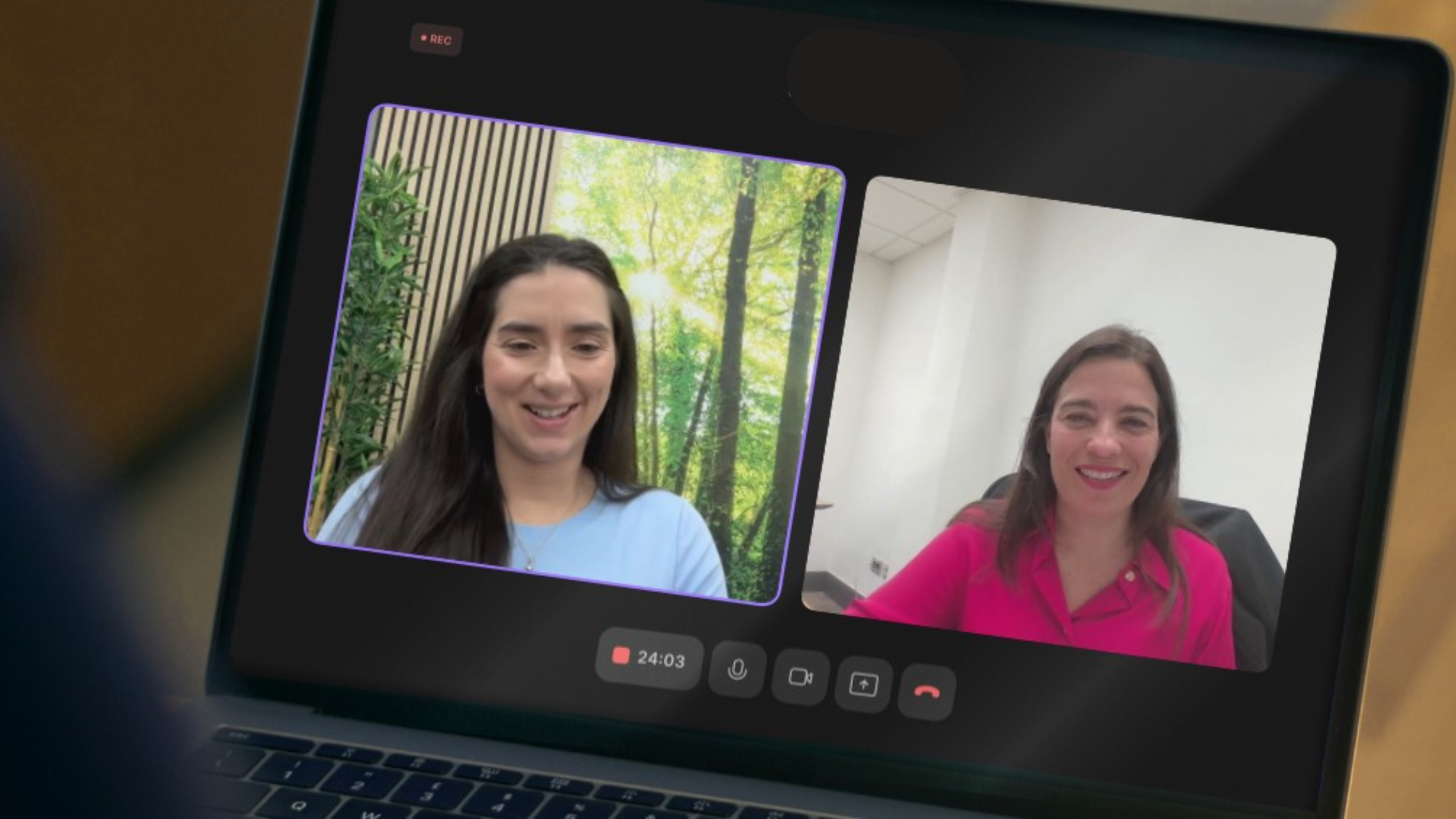
| Welcome to our interview series, where we explore communication, culture, leadership, and collaboration in international workplaces. In this episode of The Workforce Playbook we speak with Laura Ruiz from Samar Group about the realities of managing international teams across multiple countries, cultures, and generations. From communication challenges and multilingual workplaces to employee retention and active listening, this conversation offers practical insights for HR leaders, people managers, and companies working across global teams. Watch the full episode below, or continue reading for a written synopsis of the discussion. |
As HR Corporate Manager at Samar Group, Laura supports teams across Spain, Mexico, Argentina, Colombia, Brazil, France, Italy, Germany, and other international markets.
Working within a small HR team spread across Spain and Mexico, she explains the challenges of supporting employees across different:
- cultures
- languages
- time zones
- communication styles
- operational needs
The conversation highlights how international HR management requires far more than administrative coordination. It requires adaptability, cultural awareness, and strong communication systems that help employees feel connected to the company, even when working thousands of kilometres apart.
Why International Communication Is About More Than Language
One of the strongest themes throughout the episode is that international communication is not just about speaking the same language. Laura explains that communication challenges often come from cultural interpretation rather than vocabulary itself.
For example:
- the meaning of “urgent” can differ between countries
- decision-making styles vary across cultures
- some teams communicate more directly than others
- customer expectations change depending on the market
The discussion explores how businesses need to adapt both internally and externally when operating internationally.
At Samar Group, meetings switch between Spanish and English depending on who is present, while customer-facing communication is adapted to local market expectations. In Germany, for example, customers strongly preferred support in German, leading the company to hire German-speaking customer service staff.
Language training, cultural understanding, and communication flexibility all play a key role in international business success. For organisations with multilingual teams, this often means going beyond general English and focusing on the communication employees need in their specific roles — from care teams communicating with patients and colleagues to construction teams communicating safety-critical information on site.
Employee Training and Listening to What Teams Actually Need
Another important topic is learning and development.
Rather than relying only on managers to decide what employees need, Laura explains how her team actively asks employees what type of training they want and what skills they feel would help them most.
This employee-led approach helps create more relevant and personalised development opportunities across very different roles, including:
- sales teams
- logistics staff
- warehouse operations
- customer service
- international commercial teams
The conversation also touches on language learning as part of employee engagement and development. One example shared was funding Spanish classes for a French employee who wanted to learn the language, even though it was not technically required for the role.
Hiring for Personality, Motivation, and Team Fit
Laura also discusses recruitment and what makes a “perfect profile” for a role. While technical knowledge matters, she explains that personality, motivation, adaptability, and team fit are often more important for long-term success.
As a family-owned international business, Samar Group focuses on hiring people who connect with the company culture and want to grow within the organisation long term.
The discussion reinforces a growing trend in recruitment and HR leadership: soft skills, emotional intelligence, and cultural fit increasingly matter alongside qualifications and experience.
The Importance of Recognition and Positive Feedback
One particularly practical part of the episode focuses on employee recognition.
Laura shares an example of preparing a salary increase conversation carefully so the employee fully understood how valued their work was. Rather than treating it as a quick administrative update, the company prepared personalised feedback, career development opportunities, and written recognition.
The conversation highlights how many companies underestimate the importance of clearly communicating appreciation and positive feedback to employees. Simple recognition, when done properly, can have a major impact on employee motivation, retention, and engagement.
Active Listening: One of the Most Important Leadership Skills
When discussing the future of HR and leadership, Laura repeatedly returns to one skill: Active listening.
As workplaces become more international, multigenerational, and fast-changing, leaders need to spend more time understanding what employees actually need.
One of the simplest but most powerful suggestions from the episode is this: Dedicate 15 minutes every day to speaking with one member of your team. Just to listen.
Whether discussing workload, motivation, training needs, or personal challenges, these small conversations help build trust, improve communication, and strengthen workplace culture.
Key Takeaways from This Episode
This episode of The Workforce Playbook explores:
- International communication in global companies
- Managing multicultural and multilingual teams
- HR leadership across different countries and generations
- Employee engagement and retention
- Active listening in leadership
- Language and cultural training in international business
- Recruitment and hiring for cultural fit
- Workplace communication and recognition
- The future of HR in fast-changing workplaces