A Short Note from Everywhere English
Welcome to our interview series, where we explore communication, culture, and collaboration in international workplaces.
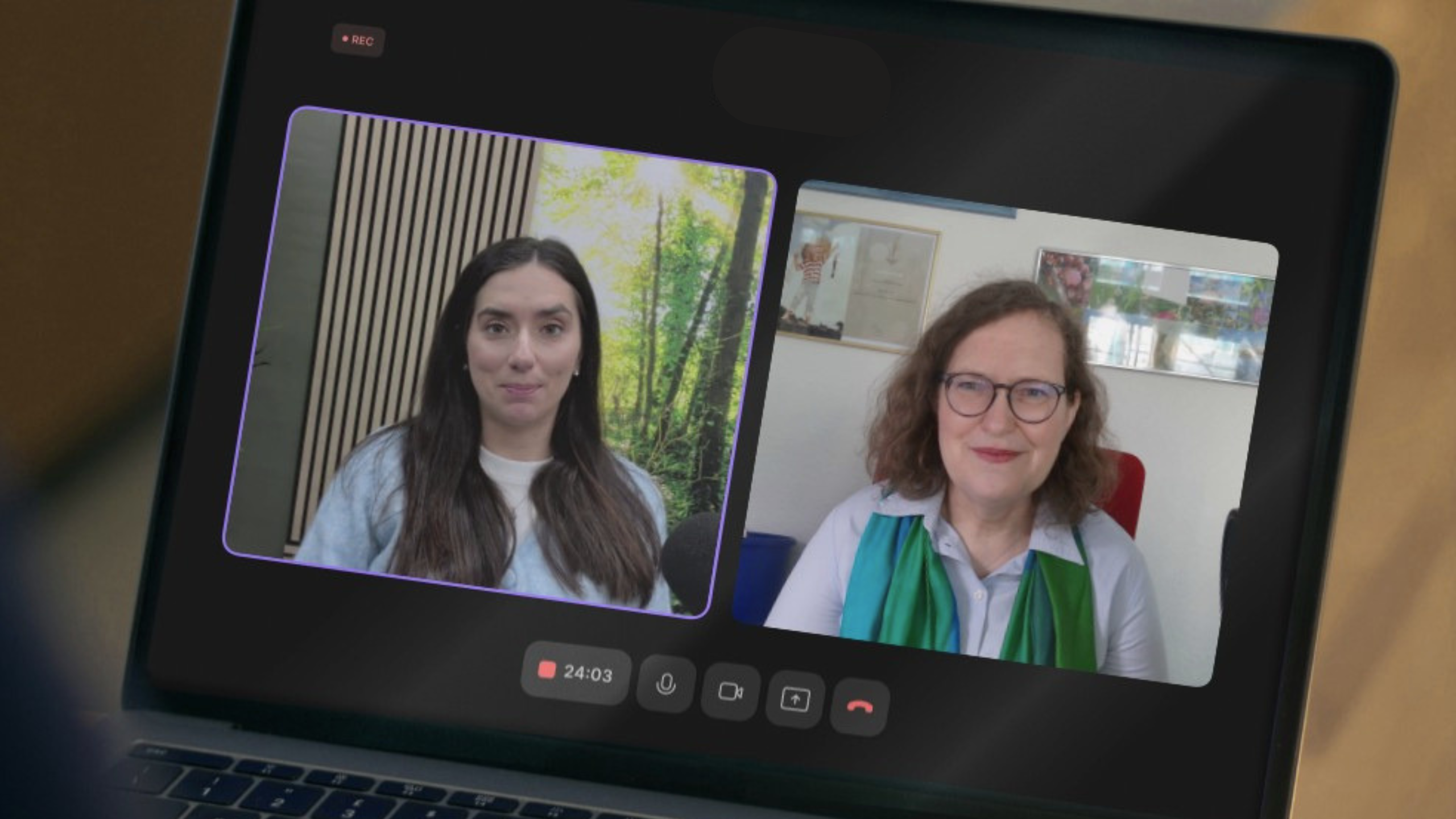
In this conversation, Stephanie Voss shares her insights on navigating cultural nuance at work and building stronger global relationships.
Watch the full video below! Or, if now’s not the right moment for headphones, scroll down for a written synopsis of the conversation.
Global teams are now a normal part of working life — but communicating effectively across cultures is still something many professionals struggle with. The challenge is rarely just language. More often, it’s understanding different communication styles, expectations, and workplace behaviours.
In this episode, we speak with Stephanie Voss about cultural nuance in international workplaces and why communication can easily break down even when everyone is technically speaking the same language.
The conversation explores how cultural awareness affects collaboration, leadership, meetings, feedback, and relationship-building across international teams. We also discuss why misunderstandings in global workplaces are often caused by differences in communication style.
Why Cultural Nuance Matters in International Workplaces
As workplaces become increasingly international, employees are expected to collaborate across countries, time zones, and communication cultures. What sounds clear and professional in one country may sound too direct, too vague, or even impolite in another.
In many international business settings, communication often relies on indirect language, diplomatic phrasing, softening techniques, and the ability to interpret implied meaning.
For multilingual professionals, this can create challenges in situations such as meetings, presentations, feedback conversations, client communication, and cross-functional collaboration. Small differences in tone, phrasing, or communication style can have a significant impact on trust, teamwork, and professional relationships.
Developing cultural awareness alongside strong communication skills is therefore becoming an essential part of working effectively in international teams.
What We Cover in This Episode
In this discussion with Stephanie Voss, we explore:
- cultural differences in workplace communication,
- direct vs indirect communication styles,
- how different countries approach feedback and disagreement,
- building confidence in international teams,
- communication challenges in global companies,
- and the importance of cultural intelligence in leadership.
The episode also highlights practical ways professionals can communicate more effectively in multicultural environments without losing authenticity or clarity.
Key Takeaways from This Episode
One of the most important takeaways from this conversation is that professional English is not only about grammar accuracy or vocabulary range. If you work in an international environment, these ideas are immediately practical:
- Listen first, respond second
Understanding motivation is more useful than reacting to words alone.
- Slow down your communication
Clarity beats speed, especially in multilingual settings.
- Adapt to your audience
There’s no single “correct” way to communicate.
- Create space for others to contribute
Better conversations lead to better outcomes.
This is particularly important in:
- multinational companies,
- remote international teams,
- client-facing roles,
- and leadership positions.
As discussed in our article on diplomatic language at work, the way a message is delivered can significantly affect collaboration and professional relationships.
Workplace English Training for International Teams
At Everywhere English, we help professionals and international teams develop the communication skills needed for real workplace situations, from meetings and presentations to cross-cultural collaboration and client communication.
We deliver custom programs with experienced teachers, progress tracking, and certifications to advance communication and careers. Our blended approach combines live virtual sessions (1:1 and group) with a teacher and a 24/7 e-learning hub for flexible, industry-tailored progress.
If you’re an HR or L&D professional, team leader, or manager working with international and multilingual teams, contact us to discuss how we can help your employees communicate more confidently and effectively in the workplace.