A Short Note from Everywhere English
Welcome to our interview series, where we explore communication, culture, and collaboration in international workplaces.
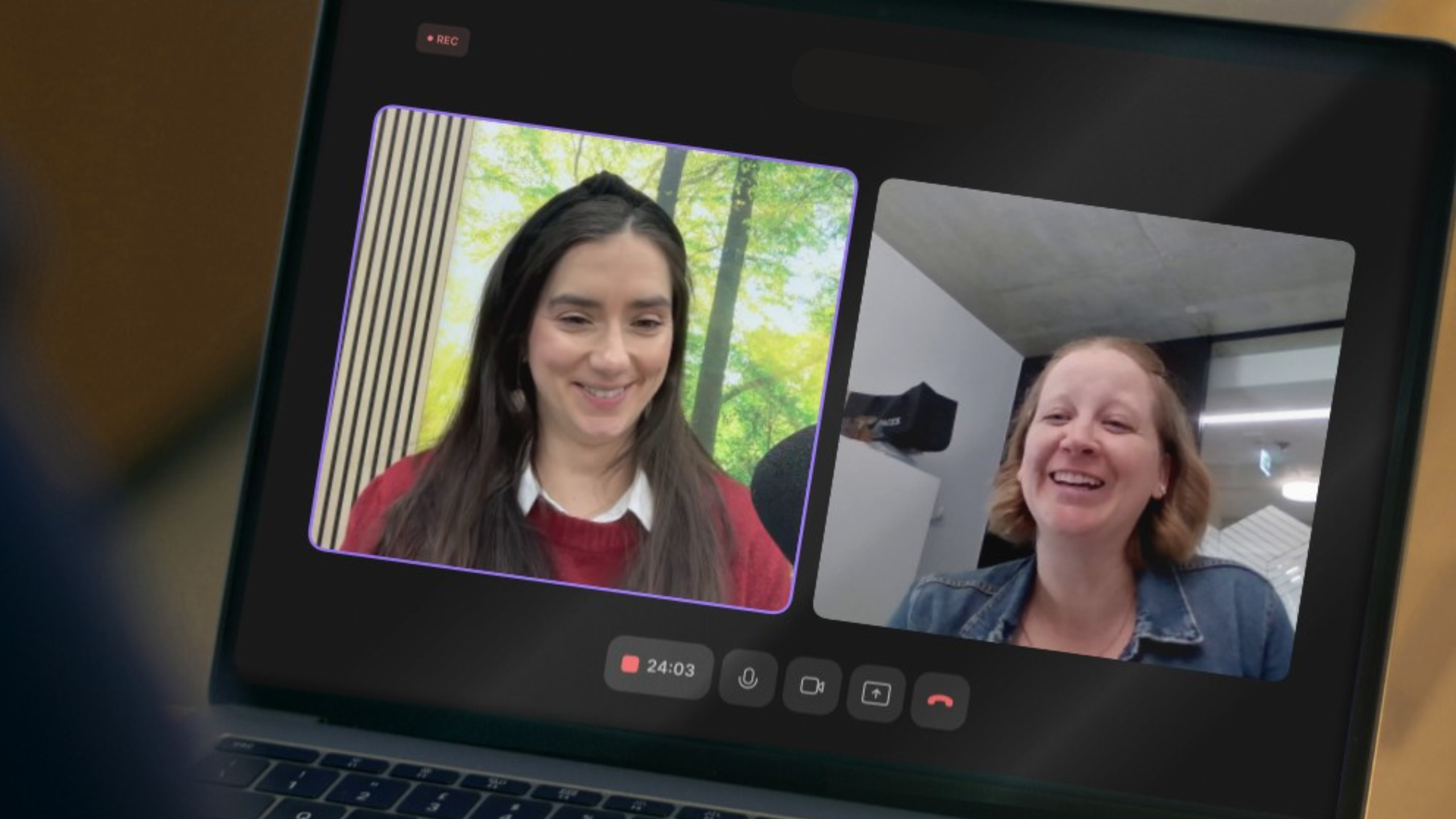
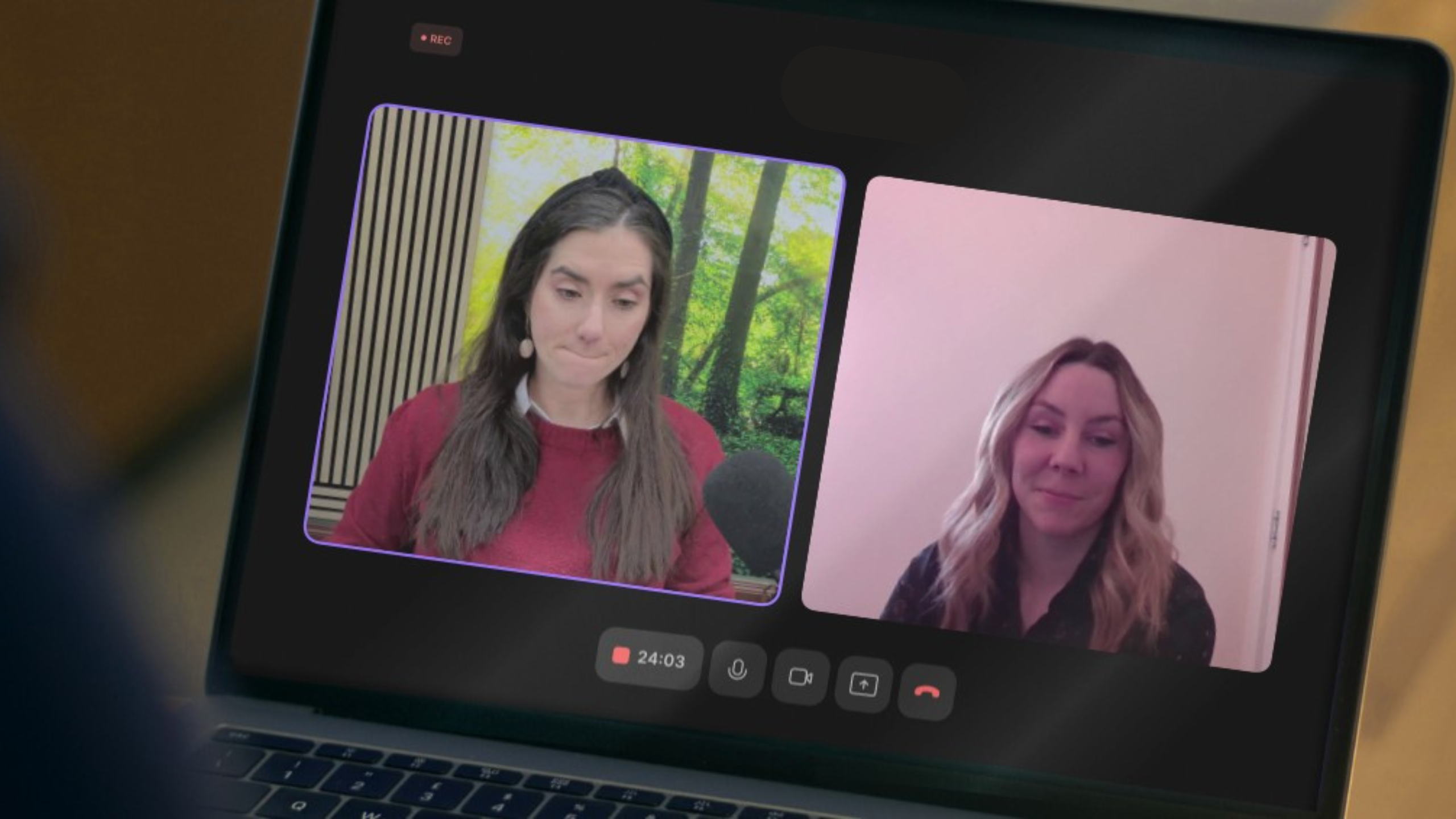
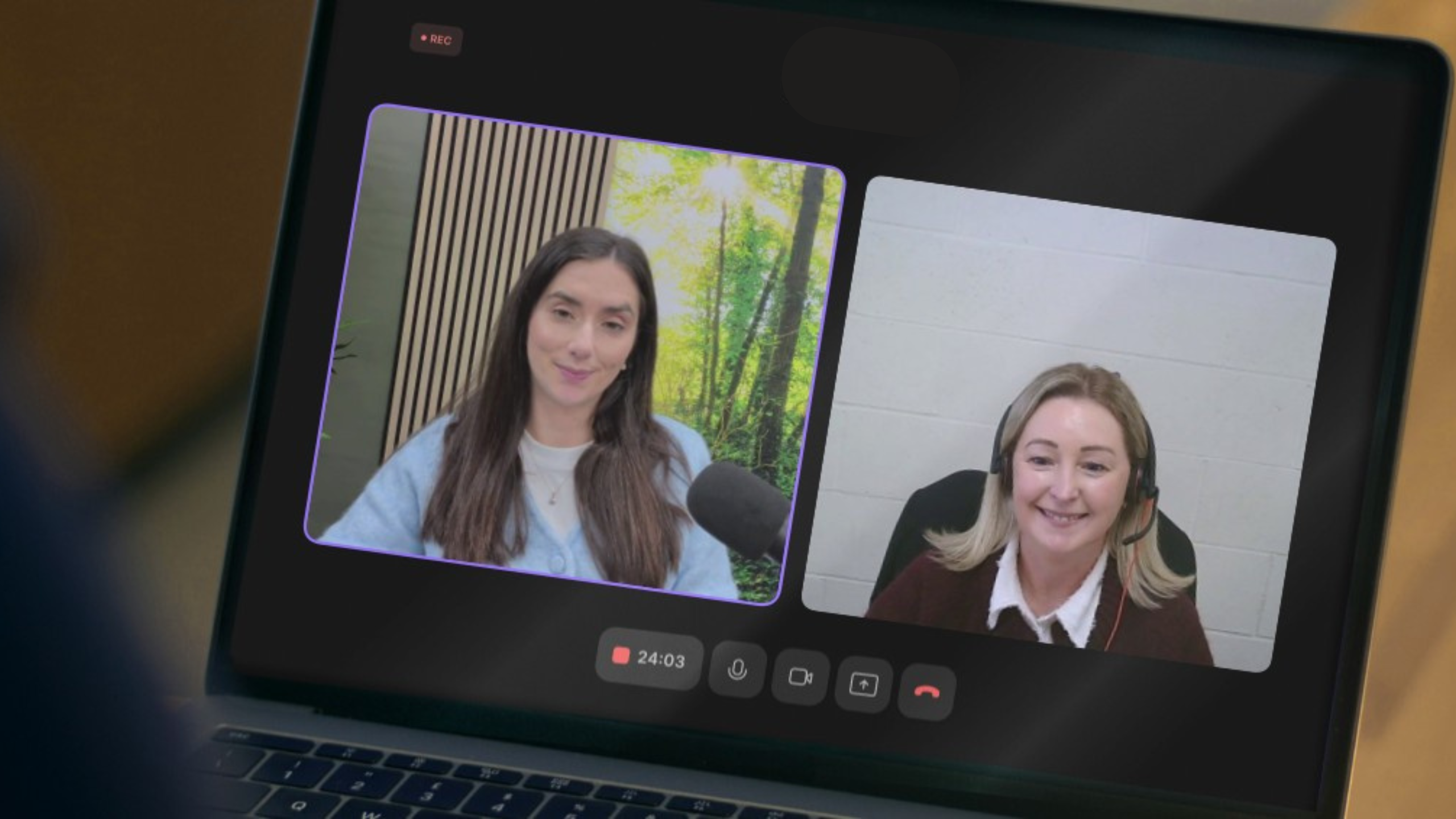
In this episode of the Workforce Playbook, we speak with Claire Murphy, HR Manager at South Coast Logistics, about managing multilingual teams in the logistics industry, building an HR department from the ground up, and creating an inclusive workplace culture in a rapidly changing workforce.
Watch the full episode below or keep reading for a written summary of the conversation.
Recruitment and Retention in the Logistics Industry
One of the major themes discussed in the episode is the ongoing shortage of skilled workers in logistics and transport.
Claire explains that recruitment and retention are currently key priorities for the HR team at South Coast Logistics. As the company continues to expand, attracting qualified HGV drivers and mechanics has become increasingly competitive, requiring more creative recruitment strategies and a broader international approach.
Rather than relying only on local hiring, the company has expanded recruitment efforts internationally, bringing employees to Ireland from different regions around the world to help meet operational demands.
But recruitment is only one part of the process.
Claire highlights that supporting employees after they arrive is equally important. The company assists international employees with accommodation, PPS numbers, bank accounts, GP registration, and settling into life in Ireland. This kind of practical support can significantly improve employee experience and retention.
The discussion also touches on apprenticeship programs and internal progression opportunities. South Coast Logistics works with several Irish apprenticeship schemes to develop future talent locally while continuing to recruit internationally where necessary.
Managing Communication Across Multicultural Teams
As teams become more diverse, communication styles naturally vary.
One of the key insights from the conversation is that communication challenges are not always caused by language ability. Often, they come from differences in communication style, tone, and cultural expectations.
Claire explains that some employees communicate very directly, while others prefer a more indirect or diplomatic approach. Without awareness, these differences can easily lead to misunderstandings between managers and team members.
For HR leaders and people managers, this means adapting communication styles depending on the individual and the situation.
The episode highlights how emotional intelligence is becoming an increasingly important leadership skill, particularly in multilingual workplaces where managers may be leading teams made up of employees from many different backgrounds.
As Claire explains, leadership today is less about authority and more about creating clarity, inclusion, and trust.
Practical Strategies for Supporting International Employees
Throughout the episode, Claire shares several practical examples of how companies can better support multilingual employees in day-to-day operations.
Some of the approaches discussed include:
- using buddy systems for new employees,
- pairing workers with colleagues who speak the same language,
- allowing translation apps and interpreters during onboarding,
- adapting systems into multiple languages,
- maintaining open-door HR policies,
- and creating safe, approachable spaces for employees to ask questions.
One particularly valuable point raised during the discussion is the importance of peer support.
New employees often feel more comfortable asking questions and expressing concerns to someone who has already gone through a similar experience. Pairing new starters with experienced colleagues from similar backgrounds can help reduce stress, improve communication, and speed up integration into the workplace.
The episode also explores the importance of employee feedback. Claire discusses the company’s participation in the Great Place to Work accreditation process and the importance of offering employee surveys in multiple languages. Providing translated surveys allows employees to give more honest and accurate feedback, helping HR teams gain a clearer understanding of workplace culture and employee satisfaction.
Leadership Skills for the Future of HR
As technology and AI continue to reshape workplaces, the conversation turns toward the future of HR and learning and development.
Claire believes that while technology can improve efficiency, human connection will remain essential.
For HR professionals managing multilingual teams, flexibility, patience, empathy, and communication will continue to be critical skills over the next several years.
The episode also highlights the growing importance of:
- emotional intelligence,
- inclusive leadership,
- cultural awareness,
- employee well-being,
- and people-centered communication.
One particularly important point discussed is the danger of relying too heavily on rigid corporate language or overly formal communication.
In multicultural workplaces, clear and human communication often works far better than overly complex terminology or impersonal messaging. Employees are more likely to engage when communication feels approachable, supportive, and authentic.
Key Takeaways from This Episode
This conversation offers several practical lessons for HR leaders, managers, and companies working with international teams:
Communication is more than language
Understanding tone, communication style, and cultural expectations is just as important as vocabulary.
Support systems matter
Buddy systems, translated materials, and approachable HR teams can make a major difference during onboarding.
Leadership needs emotional intelligence
Managers must adapt communication styles depending on the people and cultures they work with.
Diversity is a business strength
Multicultural teams bring new perspectives, creativity, and problem-solving approaches.
Employee well-being cannot be ignored
HR professionals often carry heavy workloads, making self-care and balance essential for long-term success.